

The latest developments in the electrification of road freight
Electric drive has long been present in materials handling, primarily in the form of electric forklifts. But how viable is the use of electric vans and lorries? What benefits and challenges does this technology bring?
The rise of electric vehicles
Sales of electric vehicles are growing steadily. Whether this is driven solely by legislation aimed at phasing out internal combustion engines, or whether the technology itself is becoming an increasingly attractive alternative, is open to debate. Both factors probably play a part.
In the commercial sector, electric vehicles – with the exception of forklifts – have still not become widespread. Although more and more companies are switching to electric vans and highlighting this in their annual sustainability reports, our cities are still dominated by vehicles with conventional engines – at least for now.
A cautious transition
Major European cities are introducing ever stricter emission rules, so electric vans for short and medium distances are attracting increasing attention. However, fleet managers have not rushed to buy vehicles from new, emerging brands such as Volta or Arrival. Instead, they have waited for well-established manufacturers such as Stellantis to come out with their own electric models.
For companies, reliability, charging infrastructure and range remain key considerations. One of the main questions is whether electric vehicles can cope with all-day or even double-shift use without having to stand on charge for long periods. In addition, the quick refuelling that conventionally fuelled fleets enjoy is harder to achieve with electric vehicles, because of longer charging times and the need for more charging points.
Cost-effectiveness and sustainability
Companies are increasingly opting for electric vans, suggesting that practical concerns are gradually fading into the background. Although the initial investment costs are higher, savings in operation and maintenance offset this in the long run. Advances in battery technology and an ever-expanding charging network are also contributing to the spread of electric vehicles. Lower operating costs and compliance with environmental regulations also increase the appeal of electric lorries.
Heavy goods vehicles and the challenges
So far, electric drive has proved itself mainly in light commercial vehicles, especially in urban environments. In long-distance freight transport, however, serious obstacles still need to be overcome. Charging times, battery capacity and vehicle payload remain open questions.
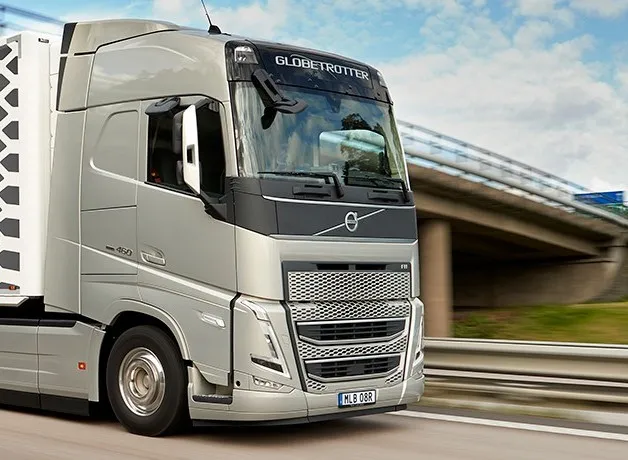
The Tesla Semi, for example, arrives with a gross weight of 75 tonnes and a range of 500 kilometres, and it can be charged to 70% in 30 minutes, which fits within drivers' mandatory rest periods. Nevertheless, alternative solutions are already available on the market: Volvo and Magtec, for example, have already sold several hundred electric lorries, and these are steadily building up practical experience.
Current situation and outlook
Although Tesla often announces its vehicles years before they actually go into service, Volvo and other manufacturers already offer working solutions today. Volvo has sold around 5,000 electric lorries in 40 countries and forecasts that half of its sales will be electric by 2035.
Challenges and opportunities
The spread of electric lorries faces a number of obstacles. The charging network is still incomplete, especially outside large cities. Battery production is struggling to keep pace with growing demand, and recycling old batteries remains a challenge. High initial costs can also hold companies back, although long-term savings increasingly demonstrate the benefits of electric vehicles.
In addition, electricity generation capacity will also need to grow. At present, for example, the United Kingdom's energy production cannot fully cover domestic demand, so it sometimes buys electricity from France and Norway. If the use of internal combustion engines is phased out completely, demand for electricity will rise dramatically.
The electric future of road freight is therefore not just a technological question. Clear regulation, stable incentives and cooperation between industry players will be needed for the transition to happen smoothly.